
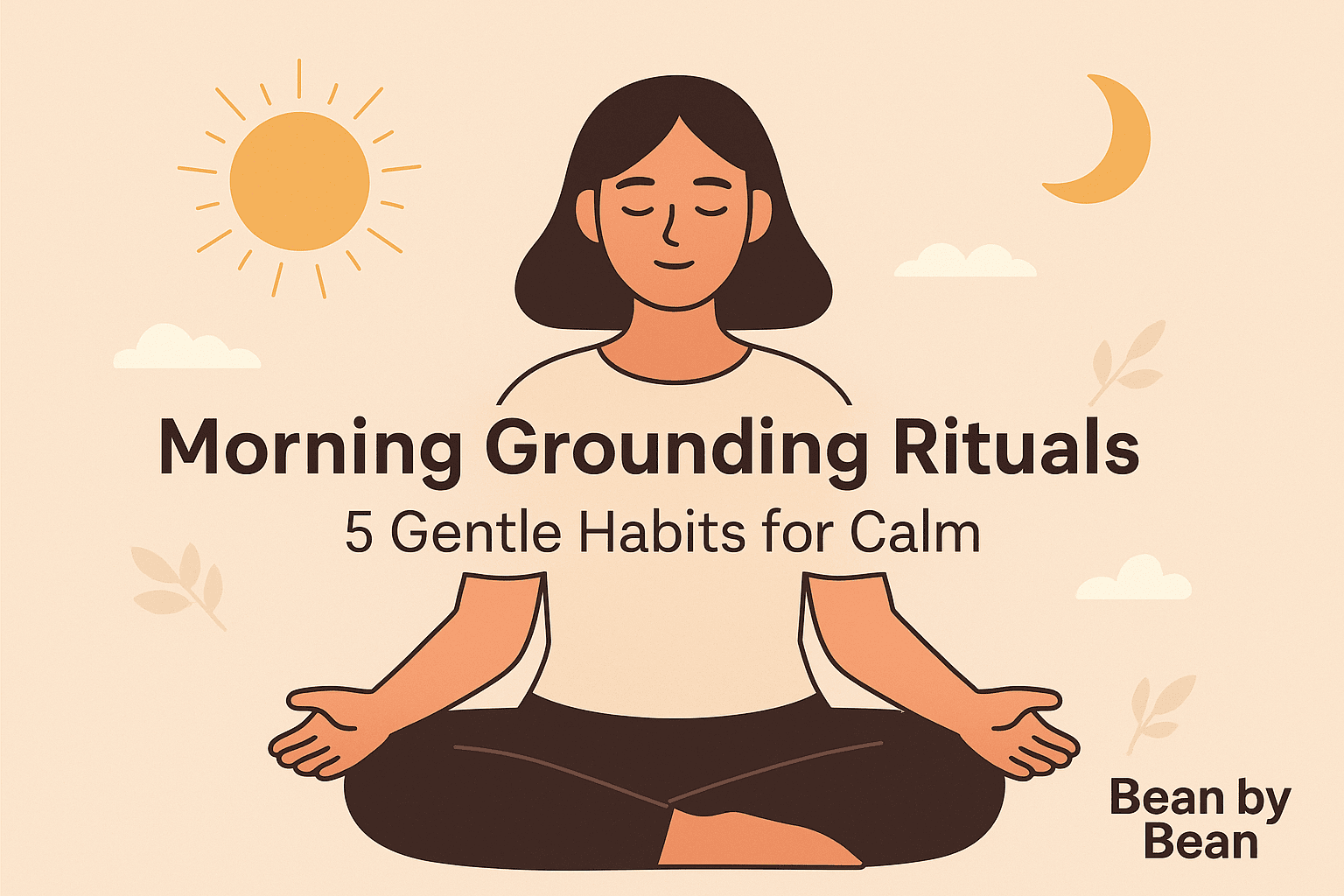
Why Letting Go for Inner Peace Is a Daily Practice
Letting go for inner peace is not a single moment — it is a quiet, continuous choice.
Every day, the mind carries emotional weight: old stories, past hurts, expectations, fears, and unspoken pressure. Most people believe they must “move on” instantly or forget their feelings, but real emotional freedom comes from gentle release, not force.
Letting go for inner peace means loosening your grip on what drains you, not denying that it existed.
It’s the art of allowing emotions to pass through instead of living inside you. When done slowly and compassionately, letting go becomes a form of emotional cleansing — a soft reset for your inner world.
This guide explores five reflective practices that make letting go for inner peace easier, kinder, and more sustainable.
1. Acknowledge What You’re Holding On To
Letting go for inner peace begins with honesty.
You cannot release what you refuse to see.
Most emotional weight stays stuck because we avoid acknowledging it — we rush past discomfort, bury memories, distract ourselves, and hope heaviness will fade on its own.
But awareness is the key to release.
Ask gently:
- What emotion is living inside me right now?
- What story am I still carrying?
- What am I afraid to feel?
Naming the burden reduces its power.
It turns emotional fog into emotional clarity.
Reflective Practice:
Sit with your journal, breathe, and write a single line:
“Today, I acknowledge that I am holding…”
Fill in whatever comes — frustration, guilt, sadness, confusion, pressure.
Recognition is the first doorway to letting go for inner peace.
2. Allow the Emotion Instead of Fighting It
The next step in letting go for inner peace is permission — allowing yourself to feel without resistance.
Emotions move when they are allowed to move.
They become stuck when we suppress, judge, or rush them.
Letting go is not about forgetting; it’s about letting the emotion complete its cycle.
Sit with the feeling.
Let it rise.
Let it shake.
Let it soften.
When you stop fighting your emotions, they naturally begin to loosen their hold.
Reflective Practice:
Place your hand on your chest or stomach and tell yourself:
“It’s safe to feel this.”
These five words create emotional safety — the foundation of true inner peace.
3. Release the Story Attached to the Emotion
Letting go for inner peace becomes easier when you separate the emotion from the story you’ve created around it.
Example:
You feel hurt → Story: “People always take advantage of me.”
You feel anxious → Story: “I’m failing.”
You feel lonely → Story: “Something is wrong with me.”
The story intensifies the feeling.
But the feeling alone is simply a feeling — temporary, human, valid.
Reflective Practice:
When you notice emotional tension, ask:
- “What is the raw emotion?”
- “What story am I adding to it?”
This separates truth from interpretation and allows your emotional burden to soften.
Letting go becomes possible when the story loosens its grip.
4. Practice Gentle Physical Release
Letting go for inner peace is not just mental — it is physical.
Emotions live in the body:
- Anxiety in the chest
- Stress in the shoulders
- Sadness in the throat
- Anger in the jaw
- Fear in the stomach
Without physical release, emotional tension stays trapped.
Gentle movement communicates to your nervous system that it is safe to relax.
Reflective Practice:
Try one of these soft-release habits:
- Slow stretching
- Exhaling longer than you inhale
- Dropping your shoulders intentionally
- Unclenching your jaw
- A 2-minute body scan
Release creates space.
Space creates peace.
5. Choose One Thing to Set Down Today
Letting go for inner peace doesn’t happen all at once.
It happens one choice at a time — one thought, one resentment, one pressure, one expectation.
Instead of trying to release everything, choose one thing.
One thought you won’t entertain today.
One comparison you will walk away from.
One worry you will loosen your grip on.
One memory you will no longer reopen.
Reflective Practice:
Write a line daily:
“Today, I choose to set down…”
Small releases create large openings.
Letting go happens bean by bean, not in a single moment.
Deepening Letting Go for Inner Peace Through Self-Compassion, Acceptance, and Inner Safety
Letting go for inner peace becomes truly transformative when it moves beyond the emotional moment and becomes a deeper relationship with yourself.
Once you acknowledge and release what you’re holding, the next step is understanding the patterns that keep resurfacing — and responding to them with compassion instead of pressure.
Below are the deeper practices that help release become natural, gentle, and lasting.
6. Offer Yourself Compassion Instead of Criticism
A major barrier to letting go for inner peace is harsh self-talk.
People often blame themselves for holding on too long, feeling too deeply, or struggling to move on.
But emotional burdens don’t dissolve under judgment — they soften under compassion.
Self-kindness creates safety.
Safety creates release.
Reflective Practice:
When you feel emotionally heavy, gently say:
“I’m learning.”
“I’m trying.”
“I’m doing the best I can with what I feel.”
These simple statements tell your nervous system that it is safe to let go.
Inner peace grows when you treat yourself like someone worth understanding.
7. Recognize the Identity Behind What You Hold
Much emotional weight remains because it is connected to identity.
Letting go for inner peace becomes easier when you realize that you often hold on not to the pain —
but to the meaning the pain gave you.
Examples:
- Holding onto anger because it feels protective
- Holding onto sadness because it feels familiar
- Holding onto resentment because it feels like justice
- Holding onto guilt because it feels like responsibility
Releasing becomes possible when you ask:
“Who would I be without this emotion?”
Reflective Practice:
Write this prompt in your journal:
“What part of me is attached to this emotion — and why?”
Clarity dissolves emotional attachment and opens the door to peace.
8. Create Emotional Distance Through Perspective
Letting go for inner peace often requires stepping back from the intensity of the moment.
When you are inside an emotion, it feels absolute.
When you step back and observe, it becomes temporary.
Perspective breaks emotional fog.
Reflective Practice:
Visualize placing your emotion on a table in front of you.
Look at it as if it belonged to someone else.
Ask:
“If a friend felt this, what would I tell them?”
This distance softens overwhelm and brings clarity — making release feel doable, not impossible.
9. Release Expectations That Cause Emotional Tension
Expectations create emotional weight:
Expectations of others, expectations of yourself, expectations of how life “should” be.
When reality doesn’t match these expectations, internal tension builds.
Letting go for inner peace often means letting go of the rigid stories you hold about how things must happen.
Reflective Practice:
Ask yourself:
“Which expectation is causing me the most tension right now?”
Then gently explore this:
“What would happen if I loosened this expectation by 10%?”
You don’t need to let go fully.
Even softening the expectation shifts your emotional landscape.
10. Build Inner Safety Through Rituals of Stillness
Letting go for inner peace requires inner safety.
Your mind releases only when it feels protected — not threatened.
Stillness rituals create the emotional safety your heart needs to relax and let go.
These rituals could be:
- Sitting silently for one minute
- Lighting a candle
- Practicing soft breathing
- Placing a warm hand over your chest
- Listening to calming music
- Sitting with closed eyes for 30 seconds
Stillness tells the nervous system:
“You don’t need to fight right now.”
Reflective Practice:
Create a small “letting-go ritual” you can do daily — something simple that signals to your mind that it is okay to release what no longer serves you.
Stillness creates safety.
Safety creates peace.
Sustaining Letting Go for Inner Peace Through Forgiveness, Renewal, and Emotional Lightness
Letting go for inner peace is not a one-time act — it is a rhythm, a gentle cycle of releasing, understanding, and beginning again.
Once you’ve learned how to acknowledge emotions, offer compassion, create space, and build safety, the next step is sustaining this release over time.
This section helps you transform letting go into a long-term emotional practice.
11. Practice Forgiveness as a Personal Release, Not a Permission
Forgiveness is one of the deepest forms of letting go for inner peace, but it is often misunderstood.
Forgiving someone does not mean approving what happened.
It means freeing yourself from the emotional hold of the memory.
Forgiveness isn’t for them — it is for your own freedom.
Reflective Practice:
Write softly:
“I release this moment from holding power over me.”
You don’t have to forgive everything today.
You only need to release the emotional grip one layer at a time.
12. Let Go of the Need to Control Outcomes
A major barrier to letting go for inner peace is the urge to control what life brings.
Uncertainty feels uncomfortable, so the mind tries to predict, manage, or force outcomes.
But emotional tension grows when life doesn’t follow your timeline.
Letting go means surrendering to what you cannot direct — and trusting that peace comes from the inside, not from perfect circumstances.
Reflective Practice:
Ask yourself:
“What outcome am I trying too hard to control?”
Then softly say:
“I release my grip by 10% today.”
Release, even in small degrees, creates space for calm.
13. Refresh Your Emotional Energy Through Small Acts of Renewal
Letting go for inner peace becomes easier when your emotional energy is replenished.
You release emotionally when you feel nourished physically, mentally, and spiritually.
Renewal practices make space for the new once the old has left.
Small acts work best:
- A slow walk
- A warm cup of tea
- Breathing fresh air
- Reading something gentle
- Listening to calming ambient sounds
These quiet moments restore emotional space and support ongoing release.
Reflective Practice:
Each evening, ask:
“What renewed me today?”
Even tiny answers count — peace grows in micro-moments.
14. Accept That Some Emotions Take Time to Release
Letting go for inner peace is not always instant, especially with emotions tied to long histories, deep wounds, or unclosed chapters.
Some days, your heart will feel light.
Some days, the same emotion may return.
This does not mean you failed.
It means you are human.
Release is a spiral — not a straight line.
Reflective Practice:
When an old emotion returns, whisper:
“I’ve released a part of you before. I can release a little more today.”
This mindset keeps your heart open without pressure or judgment.
15. Create a Ritual of Emotional Closure
A powerful method for sustaining letting go for inner peace is creating a simple closure ritual — a symbolic act that tells your mind the chapter is ending.
Examples:
- Writing a letter you never send
- Deleting old screenshots
- Closing a tab you’ve kept open for too long
- Throwing away a note or object you no longer need
- Washing your hands slowly after journaling
- Placing a full stop at the end of a page
Symbolic closure helps your brain understand that the emotional cycle is complete.
Reflective Practice:
Once a week, complete a small closure ritual.
Let it be quiet, personal, and meaningful.
16. Hold Space for the New
Letting go for inner peace creates emotional space — but that space only becomes wisdom when you allow new perspectives, new habits, new softness, and new hope to enter your life.
Letting go is not an ending.
It is a beginning.
You release what weighs you down so you can rise into what aligns with you.
Reflective Practice:
Write a simple line after a release:
“Now there is space for…”
Fill it with whatever your heart is ready to receive — peace, clarity, connection, rest, or healing.
Final Reflection — Bean by Bean, You Learn to Let Go
Letting go for inner peace is a gentle journey — a soft, steady unfolding.
You acknowledge what hurts, allow your emotions, release stories, soften your body, show compassion, create space, and open your heart to new beginnings.
Every day, you release a little more.
Every day, you carry a little less.
Every day, you become a little lighter.
One breath.
One moment.
One small act of courage at a time.
Bean by bean, letting go becomes your natural way of living.